Colorbond Roofing: Benefits and Installation Process
A straightforward look at Colorbond roofing, its main benefits and what happens during a typical installation.
6 min read
By Empire Roofing Team
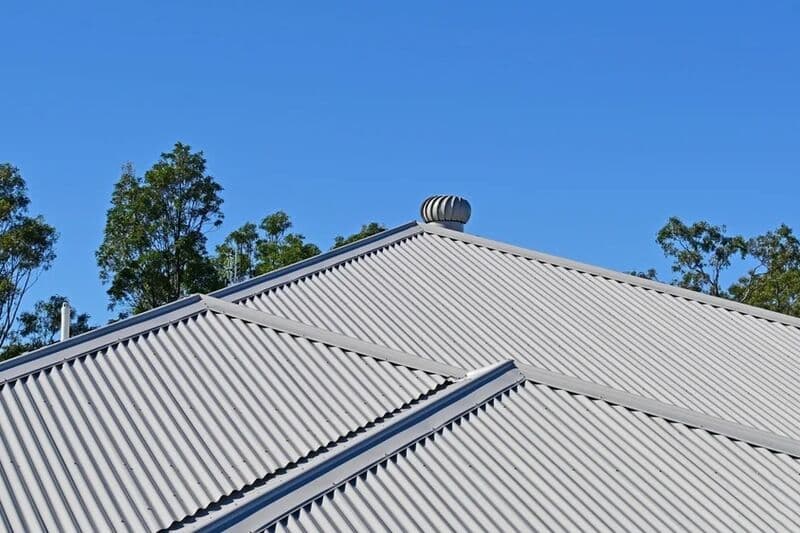
Colorbond is a familiar choice on Sydney homes for good reason. It is light, made for Australian conditions and available in colours and profiles that suit many different buildings. Here is what to weigh up and what normally happens during installation.
What is Colorbond Roofing?
Colorbond is BlueScope Steel's pre-painted steel roofing material, made for Australian conditions. Its layered coating system protects the steel from corrosion and weathering while providing the finished colour.
The Five-Layer System:
Zincalume steel base: Provides structural strength and corrosion resistance
Conversion coating: Enhances paint adhesion and corrosion protection
Primer: Additional corrosion protection and paint adhesion
Backing coat: Protects the underside from moisture and condensation
Topcoat: UV protection and colour retention with fade resistance
Did You Know?
Colorbond steel is made from recycled materials and is 100% recyclable at the end of its life, making it an environmentally responsible roofing choice.
Key Benefits of Colorbond Roofing
1. Made for Australian Weather
Colorbond roofing is built to last, with many installations lasting 20-30 years or more with minimal maintenance. The material is designed to withstand:
Extreme temperatures from -40°C to +60°C
High winds and severe storms
Heavy rainfall and hail
Salt spray in coastal areas like Sydney's beaches
UV radiation without significant fading
2. Energy Efficiency
Thermally efficient Colorbond colours can reflect more of the sun's heat. Depending on the roof, insulation and colour, this can help:
Reduce heat absorption by up to 40%
Lower cooling costs during Sydney's hot summers
Improve indoor comfort year-round
Reduce the urban heat island effect
Energy Savings
Heat-reflective roofing can reduce cooling costs by up to 15%, with the result depending on the whole roof and home.
3. Fire Resistance
Colorbond steel is non-combustible. Suitable systems can meet BAL-40 requirements, but the right roof system depends on the property's bushfire rating and design.
4. Wide Range of Colours and Profiles
With over 20 standard colours and various profiles available, Colorbond roofing can complement any architectural style:
Unlike other roofing materials, Colorbond requires minimal maintenance:
Periodic cleaning with water and mild detergent
Annual inspection for debris and blockages
No painting or coating required
Resistant to cracking, splitting, or rotting
The Colorbond Installation Process
The exact job changes with the building, but a replacement generally follows these steps:
1. Check and Plan the Roof (1-2 days)
Roof check: Looking over the existing structure and what needs to be removed
Engineering check: Confirming the structure is suitable for the new roofing
Approvals: Checking whether any council or strata approval is needed
Material delivery: Colorbond sheets cut to precise measurements
Safety setup: Installing scaffolding and safety equipment
2. Remove the Existing Roof (1-2 days)
If replacing an existing roof:
Careful removal of old roofing materials
Inspection and repair of roof structure
Cleaning and preparation of roof deck
Checking insulation and ventilation needs
3. Prepare What Is Underneath (1 day)
Installation of new roof battens if required
Application of waterproof membrane
Installation of ventilation systems
Preparation of roof penetrations (skylights, vents, etc.)
4. Install the Colorbond (2-4 days)
Sheet layout: Planning where sheets, overlaps and edges will sit
Sheet placement: Precise positioning with correct overlaps
Fastening: Using appropriate screws with sealed washers
Ridge capping: Installation of ridge and hip cappings
Flashing: Sealing around chimneys, vents, and edges
Guttering: Installation or replacement of gutters and downpipes
Installation Matters
The wrong fixings, damaged coatings or poorly fitted flashings can cause leaks and affect product warranties. Use a licensed roofer who knows the system.
5. Final Check and Clean-Up (1 day)
Checking all joints, fixings and flashings
Testing of water flow and drainage systems
Cleanup of all construction debris
Final walkthrough with homeowner
Warranty documentation and care instructions
Factors Affecting Installation Cost
Several factors influence the total cost of Colorbond roof installation:
Access: Difficult access sites require special equipment
Material Choices:
Profile type: Standing seam costs more than corrugated
Gauge: Thicker steel (lower gauge numbers) cost more
Colour: Some colours may have additional costs
Accessories: Ridge vents, skylights, snow guards
Indicative Sydney Price Ranges
Supply only: $12-18 per m²
Supply and install: $35-65 per m²
Full roof replacement: $80-120 per m²
Maintenance Tips for Colorbond Roofing
While Colorbond is low maintenance, following these tips will ensure maximum longevity:
Regular Cleaning (Every 6-12 months):
Rinse with water to remove dirt and salt deposits
Use mild detergent for stubborn stains
Clean gutters and downpipes regularly
Remove any accumulated debris or vegetation
Annual Inspections:
Check for any loose or damaged screws
Inspect flashing and sealants for deterioration
Ensure proper drainage from all areas
Look for any signs of corrosion or damage
When to Call a Roofer
Have the roof checked if you see damage, leaks or loose flashings
Address any issues promptly to prevent escalation
Leave difficult or unsafe cleaning areas to a trained roofer
Keep warranty documentation for any claims
Choosing the Right Installer
When comparing roofers, look for:
Licence: The right NSW licence for the work
Experience: Previous Colorbond and steel-roofing work
Insurance: Public liability and workers compensation
Local references: Satisfied customers in your area
Written warranties: Both material and workmanship guarantees
Competitive quotes: Detailed breakdown of costs
Warranty Protection
Colorbond warranties include 20 years against perforation and 10 years against paint fade and chalk. Correct installation and care help keep those warranties valid.