Roof Maintenance
10 Signs Your Roof Needs Attention
Ten roof problems Sydney homeowners can spot from the ground, and when it is worth calling a roofer.
5 min read
By Empire Roofing Team
Ten roof problems Sydney homeowners can spot from the ground, and when it is worth calling a roofer.
Roof problems often start small. A cracked tile, a loose flashing or a patch of rust can let water in long before you see a drip inside. These are ten signs you can look for from the ground or inside the home, without climbing onto the roof.
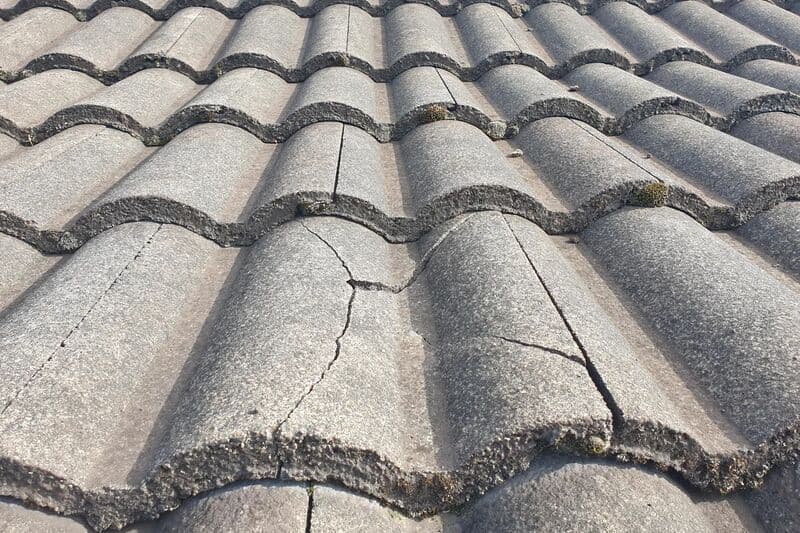
What to look for: Gaps in the tile pattern, cracked corners, tiles sitting out of line or pieces on the ground after wind.
Why it matters: A damaged tile can expose the sarking and roof structure underneath. Water may then travel before it shows up on a ceiling.
What to do: If you can see damage from the ground, send us a photo or arrange for a roofer to have a look.
Do not climb onto the roof to check it yourself. Look from the ground, use photos if they are easy to take, or call a roofer with the right safety equipment.
The ridge capping runs along the high points of many tiled roofs. Cracked or loose bedding and pointing can let tiles move and allow water through in wind-driven rain.
What to look for: Cracks beside the ridge tiles, missing mortar or pieces that have fallen into the gutter.
What to do: Repointing may be enough when the tiles and roof underneath are still sound. A closer look will show whether any ridge tiles also need resetting.
Brown or yellow marks on a ceiling or wall are often the first indoor sign of a roof leak.
Don't ignore: Even small stains can indicate significant water intrusion. Water may travel along beams and pipes before appearing, meaning the actual leak could be far from where you see the stain.
What to do: Catch any active drip, move belongings out of the way and take photos. If the water is near lights or wiring, keep clear and call a licensed electrician as well as a roofer.
A roofline that dips or sags can point to a problem with the structure underneath. Possible causes include:
What to do: Keep clear of the affected area and arrange an inspection. A structural engineer may also be needed, depending on what the roofer finds.
If you can see daylight through your roof boards when looking up from your attic, you have holes that need immediate repair.
Where to check: Look around chimneys, vents, and other roof penetrations. Even small holes can let in significant amounts of water.
If you can safely look into the roof space, check after rain for damp timber, wet insulation or fresh water marks. Do not touch wiring or enter an unsafe space.
Unexplained increases in your heating or cooling costs could indicate poor roof ventilation or insulation problems caused by roof damage.
The connection: Roof leaks can damage insulation, reducing its effectiveness. Poor ventilation can cause your HVAC system to work harder, increasing energy consumption.
Flashing around chimneys, vents, skylights, and other roof penetrations is crucial for preventing water intrusion. Look for:
While moss and algae might seem purely cosmetic, they can indicate and cause serious problems:
In humid climates: Moss retains moisture against the roof surface, potentially leading to rot and deterioration of roofing materials.
Prevention: Improve attic ventilation and consider zinc or copper strips to prevent future growth.
Your gutters can reveal a lot about your roof's condition:
Finally, consider your roof's age:
Age alone does not tell you whether a roof needs replacing. Installation quality, maintenance, exposure and the condition of the roof underneath all matter, so an older roof is worth checking more closely.
Small repairs are generally easier to deal with before water damages ceilings, insulation or timber underneath.
If you've identified any of these warning signs, don't wait for the problem to worsen. Empire Roofing provides:
It is also worth looking over the roof from the ground after severe weather, especially if you heard movement or saw debris come down.
Give us a call or send through a few photos. We can talk through what you have noticed and arrange a closer look if needed.
Have a question about your roof? Call 0414 854 307 during business hours or ask us for a free quote.